Bamboo Acoustic Panels: The Natural Way to Control Noise

Sound has a subtle but powerful influence on how spaces are experienced. A room can appear visually refined, thoughtfully furnished, and well-lit, yet still feel uncomfortable if noise is not properly managed. In homes, excessive reverberation can make conversations tiring. In offices, it can reduce concentration and productivity. In hospitality settings, it can affect how guests perceive the overall atmosphere. As attention to acoustic comfort increases, materials that combine sound control with aesthetic value are gaining wider recognition. Bamboo acoustic panels are emerging as a compelling solution, offering a natural approach to managing noise without compromising design.
The need for acoustic treatment has grown alongside modern architectural trends. Open-plan layouts, high ceilings, and hard surfaces such as glass, concrete, and tile have become common features in both residential and commercial interiors. While these elements contribute to a clean and contemporary look, they also reflect sound rather than absorb it. The result is often a buildup of echoes and background noise that can make a space feel chaotic or tiring over time.
Traditional acoustic solutions have typically relied on synthetic materials such as foam or fiberglass. While effective in controlling sound, these materials do not always align with current preferences for natural finishes and environmentally responsible design. Bamboo acoustic panels offer an alternative that addresses both performance and visual appeal. They introduce warmth and texture while serving a practical acoustic function.
The effectiveness of bamboo acoustic panels is rooted in how they interact with sound waves. When sound travels through a space, it reflects off hard surfaces, creating reverberation. Acoustic panels work by absorbing a portion of this sound energy, reducing reflections and improving clarity. Bamboo panels are often designed with slats, perforations, or layered structures that allow sound to pass through the surface and be absorbed by backing materials such as acoustic felt or insulation layers.
This combination of surface design and internal structure enables bamboo panels to manage a range of sound frequencies. In residential settings, this can make conversations clearer and reduce the harshness of everyday noise. In offices, it helps create a more focused environment by minimizing distractions. In public spaces such as restaurants or hotels, it contributes to a balanced acoustic atmosphere where sound is present but not overwhelming.
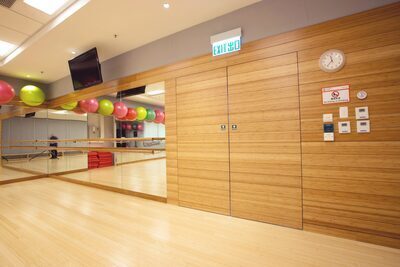
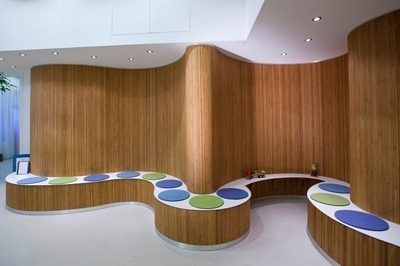
One of the distinguishing characteristics of bamboo acoustic panels is their ability to blend acoustic performance with design flexibility. Rather than appearing as purely functional elements, these panels can become integral parts of an interior’s visual identity. The natural grain of bamboo introduces a sense of warmth that contrasts with more industrial materials, while the linear patterns of slatted panels add rhythm and structure to walls and ceilings.
Designers often use bamboo acoustic panels to create feature walls or ceiling installations that serve both aesthetic and functional purposes. Vertical slats can emphasize height, while horizontal arrangements can make a space feel more expansive. The spacing between slats can be adjusted to achieve different acoustic effects as well as visual outcomes. This level of customization allows bamboo panels to adapt to a wide variety of design concepts.
Color variation further expands their versatility. Natural bamboo tones offer a light and neutral palette that works well in minimalist interiors. Carbonized bamboo introduces deeper hues, providing a richer and more traditional appearance. Panels can also be stained or finished to match specific color schemes, ensuring consistency across the overall design.
Sustainability is a central factor in the growing interest in bamboo acoustic panels. Bamboo is a rapidly renewable resource, capable of reaching maturity in a relatively short period compared to hardwood trees. Its cultivation generally requires fewer chemical inputs, and its ability to regenerate after harvesting reduces the environmental impact associated with deforestation.
For projects that prioritize environmentally responsible materials, bamboo panels align with broader sustainability goals. They contribute to reducing reliance on non-renewable resources while offering a product that performs effectively over time. In green building certifications and environmentally conscious developments, the use of bamboo can support efforts to meet specific material and sourcing criteria.
Durability is another practical advantage. Bamboo is known for its strength and resilience, characteristics that translate well into panel applications. Acoustic panels are often installed in areas where they may be exposed to regular contact, such as offices, hallways, or public venues. Bamboo’s resistance to wear helps maintain the appearance and functionality of the panels over extended periods.
Maintenance requirements are generally straightforward. Routine cleaning, such as dusting or wiping with a damp cloth, is usually sufficient to keep bamboo panels in good condition. Protective finishes applied during manufacturing can enhance resistance to stains and surface damage, further reducing the need for intensive upkeep. This practicality makes bamboo acoustic panels suitable for both residential and commercial use.
Indoor air quality is an important consideration in material selection, particularly in enclosed environments. Many bamboo acoustic panels are manufactured with low-emission adhesives and finishes, contributing to healthier indoor conditions. This is especially relevant in spaces where occupants spend long periods, such as offices, schools, and homes.
Installation flexibility also contributes to their growing adoption. Bamboo acoustic panels can be mounted on walls or ceilings, depending on the acoustic needs of the space. In some cases, they are used as suspended elements or partitions, helping to define areas within open-plan environments while also controlling sound. Prefabricated panel systems simplify the installation process, allowing for efficient and precise placement.
The role of bamboo acoustic panels extends beyond noise reduction. They influence how people perceive and interact with a space. Improved acoustics can enhance communication, reduce stress, and create a more comfortable atmosphere. In workplaces, this can support productivity and well-being. In residential settings, it can make daily activities more enjoyable. In hospitality environments, it can shape how guests experience the overall ambiance.
As remote work and hybrid lifestyles become more common, the need for acoustically balanced home environments has increased. Spaces that serve multiple functions—such as living rooms that double as work areas—require materials that can adapt to different uses. Bamboo acoustic panels provide a solution that integrates seamlessly into home interiors while addressing these changing demands.
Commercial applications continue to expand as well. Offices are incorporating bamboo panels to create quieter meeting areas and collaborative spaces. Retail environments use them to manage background noise while maintaining a visually appealing setting. In educational facilities, they contribute to clearer communication and improved learning conditions by reducing echo and noise interference.
Technological advancements have further enhanced the performance of bamboo acoustic panels. Improved manufacturing techniques allow for more precise control over panel structure and density, optimizing their acoustic properties. Integration with high-performance backing materials increases their ability to absorb sound across different frequencies, making them suitable for a wider range of applications.
The aesthetic qualities of bamboo also play a role in shaping emotional responses to a space. Natural materials often create a sense of comfort and connection, balancing the more rigid elements commonly found in modern architecture. Bamboo panels, with their organic texture and warm tones, contribute to this effect, making interiors feel more inviting and less sterile.
Lighting interacts with bamboo surfaces in a way that adds depth and variation. The grain and texture respond to changing light conditions, creating subtle shifts in appearance throughout the day. This dynamic quality enhances the visual interest of a space without requiring additional decorative elements.
The growing interest in biophilic design—an approach that emphasizes the connection between people and natural elements—has also supported the use of bamboo acoustic panels. Incorporating natural materials into interior spaces can have positive effects on well-being, helping to reduce stress and improve overall comfort. Bamboo panels fit naturally within this framework, offering both functional and psychological benefits.
Cost considerations are part of the decision-making process as well. While bamboo acoustic panels may vary in price depending on quality and design, they often provide a balance between performance and affordability. Their durability and low maintenance requirements contribute to long-term value, making them a practical investment for many projects.
As design priorities continue to evolve, materials are expected to meet multiple criteria simultaneously. It is no longer sufficient for a product to perform a single function. Bamboo acoustic panels address this expectation by combining sound control, visual appeal, sustainability, and durability in a single solution. This multifaceted role reflects a broader shift in how interior spaces are conceived and executed.
The influence of bamboo acoustic panels can be seen in the way designers approach both new constructions and renovations. Rather than treating acoustics as an afterthought, it is increasingly integrated into the initial design process. Bamboo panels provide a means of addressing acoustic challenges early on, reducing the need for corrective measures later.
Their presence in a space often goes unnoticed in the best possible way. Instead of drawing attention to themselves as technical features, they contribute quietly to the overall comfort and functionality of the environment. This subtlety is part of their appeal, allowing them to enhance a space without dominating it.
Bamboo acoustic panels represent a shift toward materials that are both purposeful and refined. They reflect an understanding that comfort in interior spaces is shaped by more than what is seen. Sound, texture, and atmosphere all play a role, and materials that address these elements in a balanced way are becoming increasingly important.