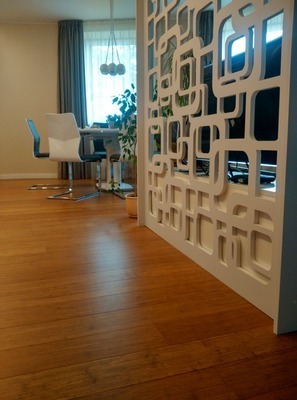
手削り仕上げの竹製フローリング:自然な風合いと高い性能を兼ね備えた床材

Hand‑scraped bamboo flooring has become a favored choice among homeowners and designers who want a surface that blends artisanal character with dependable long‑term performance. The unmistakable texture of hand‑scraped planks gives a sense of craftsmanship and warm natural appeal, while bamboo’s structural resilience provides strength suitable for bustling homes or commercial spaces. This combination of personality and practicality has helped hand‑scraped bamboo flooring gain a distinct place within the broader family of natural flooring materials.
This blog explores the qualities that define hand‑scraped bamboo flooring, the craftsmanship involved in creating its surface, and the performance characteristics that set it apart. It also looks at how this flooring complements various interior styles and what makes it a compelling choice for those seeking durability paired with tactile, organic charm.
What Makes Hand‑Scraped Bamboo Flooring Unique
Hand‑scraped bamboo flooring is crafted through a manual or semi‑manual process in which artisans create textured grooves, subtle waves, and organic patterns across the surface of each plank. The result is a floor with visual depth and a gently aged or weathered appearance. Unlike machine‑distressed flooring, hand‑scraped surfaces often have variations that express authentic craftsmanship.
Bamboo itself enhances this style. Its linear grain, fiber strength, and natural color range—from pale blond to rich amber—provide a versatile canvas for hand‑scraping. When the surface is shaped by hand tools, the texture interacts with bamboo’s fibers in distinctive ways that differ from wood species such as oak or hickory.
Key visual and tactile qualities include:
- soft undulating patterns that reflect light differently throughout the day
- a subtly irregular texture that adds warmth and dimension
- a finish that highlights the natural grain patterns of bamboo
- surface detail that softens the uniformity often associated with modern flooring
These characteristics give the floor personality and help it stand out among smoother, more uniform surfaces.
The Craftsmanship Behind Hand‑Scraping
The hand‑scraping process is grounded in traditional woodworking techniques. Artisans typically use specialized tools—chisels, scrapers, or small blades—to carve shallow ridges and valleys across the surface of the bamboo. Each stroke contributes to a surface that is intentionally imperfect in ways that feel natural and organic rather than artificially distressed.
Several elements of craftsmanship play a role in the final appearance:
The Depth and Direction of Scraping
Some flooring features long, flowing patterns that follow the length of the plank, while others create varied strokes that introduce a more rustic feel. The depth of each mark affects how the floor catches shadows and highlights.
Attention to Grain and Fiber
Since bamboo has a distinct linear structure, artisans shape their scraping patterns to complement the grain orientation. This enhances the material’s natural qualities rather than working against them.
Variation From Plank to Plank
Because each board is scraped individually, no two planks are identical. This variation brings authenticity to the installation and prevents the monotony sometimes seen in machine‑finished floors.
Integration With Stains and Finishes
After scraping, bamboo may be stained or finished with matte, satin, or low‑sheen coatings. These finishes work with the textured surface to amplify depth and color.
The tactile richness created by this manual process is one of the reasons homeowners appreciate hand‑scraped bamboo flooring. It connects craftsmanship with a modern material in a way that feels intentional and timeless.
The Strength and Durability of Bamboo
Hand‑scraped flooring wouldn’t be practical without a solid structural foundation. Bamboo offers excellent performance characteristics that support everyday use.
Natural Fiber Strength
Bamboo fibers are known for their tensile strength, which contributes to the material’s hardness. Vertical and horizontal bamboo constructions offer dependable resilience for homes, while strand‑woven bamboo typically provides even greater density.
Resistance to Surface Wear
The textured finish of hand‑scraped flooring helps mask small scratches that occur during normal use. Instead of showing signs of wear, the floor tends to maintain its character over time.
Minimal Denting in High‑Quality Products
High‑density bamboo construction, especially for strand‑woven varieties, can rival or exceed traditional hardwoods in hardness testing. This makes it suitable for areas with heavy foot traffic.
Stable Performance With Seasonal Changes
Well‑treated bamboo resists swelling and contraction more predictably than some hardwood species. Proper acclimation and installation further improve stability.
These qualities give hand‑scraped bamboo flooring the strength to withstand daily life while preserving the textured beauty of its surface.
How Hand‑Scraping Enhances Practical Performance
While hand‑scraping adds visual charm, it also contributes to practical benefits that many homeowners appreciate.
Camouflage for Everyday Wear
The undulating surface helps disguise small marks, making the floor look better for longer. Even minor dents and scratches blend naturally into the texturing.
Comfortable Underfoot
The gentle waves of hand‑scraped flooring create a softened tactile feel. This makes the surface more pleasant to walk on compared to ultra‑smooth materials, which sometimes feel sterile or overly slick.
Reduced Slippage
Although not specifically designed for anti‑slip performance, the texture naturally improves foot traction, especially in homes with pets or young children.
Long‑Lasting Finish
Many hand‑scraped bamboo floors use durable coatings that interact well with the textured surface. These finishes resist scuffing and maintain their appearance across years of activity.
These performance characteristics make hand‑scraped bamboo suitable for living rooms, hallways, bedrooms, dining areas, and even light‑use commercial environments.
Aesthetic Flexibility in Interior Design
Hand‑scraped bamboo flooring adapts easily to various architectural and interior styles. Its textural qualities give it a design range that smooth or glossy flooring may not achieve.
Traditional Spaces
The artisanal look of hand‑scraping adds a sense of history and craftsmanship, aligning well with traditional furniture, natural textiles, and warm color palettes.
Contemporary Interiors
When paired with modern furnishings, the textured surface introduces warmth and a subtle organic counterbalance to sleek lines and minimalist styling.
Rustic and Cottage Themes
The uneven, handcrafted details fit naturally within rustic interiors. The floor adds character and complements exposed beams, natural fabrics, and earth‑toned accessories.
Coastal and Nature‑Inspired Designs
Lighter finishes help evoke calm, breezy atmospheres, making this flooring suitable for coastal décor themes that emphasize natural light and soft textures.
Transitional Spaces
Because the texture sits between rustic and refined, hand‑scraped bamboo works well in transitional interiors that blend classic and modern elements.
This flexibility makes it an appealing choice for homeowners who want a floor that adapts gracefully as styles evolve.
Color and Finish Options
Hand‑scraped bamboo flooring offers a broad palette of colors and finishes. These options influence the character of the floor and its relationship with the rest of the room.
Natural and Light Shades
Natural blond, honey, and pale amber finishes brighten rooms and highlight bamboo’s inherent grain. These shades work well in open‑plan spaces where light reflection is a priority.
Medium Tones
Warm browns and soft caramels create a balanced, inviting ambiance. Medium hues often complement both dark and light furniture, making them versatile.
Deep and Rich Colors
Dark chocolate, espresso, and carbonized tones offer sophistication and dramatic contrast. Hand‑scraping on darker planks accentuates texture even more.
Matte and Low‑Sheen Finishes
Matte coatings emphasize the natural feel of the material and make surface irregularities more visually appealing. They also show fewer fingerprints and smudges.
Satin Finishes
Satin finishes strike a balance between subtle shine and natural texture, creating a polished yet understated look.
The range of available finishes ensures that hand‑scraped bamboo can integrate seamlessly into a wide array of interior aesthetics.
Installation and Maintenance Considerations
A well‑installed hand‑scraped bamboo floor can last for many years with routine care. Understanding how the material behaves enhances performance and appearance.
Subfloor Preparation
A flat, clean, and stable subfloor ensures uniform plank support. Bamboo’s stability improves when laid over a properly prepared base.
Acclimation
Allowing bamboo to adjust to the indoor environment prior to installation reduces the likelihood of movement once the floor is in place.
Suitable Installation Methods
Depending on the product, installation may involve floating, gluing, or nailing. Each method has advantages, and manufacturers typically recommend specific approaches.
Everyday Care
Routine sweeping or vacuuming keeps dust and grit from dulling the finish. Using protective pads on furniture helps maintain surface integrity.
Refinishing Potential
Depending on the thickness of the wear layer, many hand‑scraped bamboo floors can be refinished. The textured surface often requires careful sanding to maintain the sculpted appearance, and professional refinishing is recommended.
Proper care enhances longevity and keeps the textured surface looking expressive and inviting.
Environmental Considerations
Bamboo’s rapid growth cycle and minimal replanting requirements contribute to its environmental appeal. When sourced responsibly and treated with low‑VOC finishes, hand‑scraped bamboo flooring supports healthier living environments and sustainable building practices.
Manufacturers increasingly focus on:
- responsible harvesting cycles
- environmentally conscious adhesives
- finishes with reduced emissions
- efficient waste reduction during production
These choices help ensure that bamboo flooring remains an attractive option for those mindful of environmental impact.
The Lasting Appeal of Hand‑Scraped Bamboo Flooring
Hand‑scraped bamboo flooring offers a blend of natural beauty, tactile richness, and dependable performance. The textured surface brings a sense of craftsmanship and depth, while bamboo’s structural strengths make it a practical choice for active households. This type of flooring feels grounded, expressive, and versatile—qualities that allow it to adapt gracefully to evolving interior styles.
Its combination of character and durability has made hand‑scraped bamboo flooring a compelling material choice for those seeking a surface that feels both lived‑in and long‑lasting. Whether placed in a cozy family room, a bright kitchen, or a refined entryway, the flooring brings warmth, strength, and a distinctive touch that enhances the overall atmosphere of the space.