クリックロック竹フローリングがDIY住宅リフォームに最適な理由

Why Click Lock Bamboo Flooring Is Ideal for DIY Home Renovation Projects
Click lock strand woven bamboo flooring has earned a strong following among homeowners who enjoy taking on renovation work themselves. Its combination of durability, ease of installation, and attractive appearance makes it a practical and rewarding choice for DIY enthusiasts. Whether someone is updating a single room or tackling a full home makeover, click lock bamboo flooring offers a blend of convenience and performance that supports projects of all sizes.
Many homeowners want a flooring option that feels solid underfoot, looks refined, and can be installed without hiring professional labor. Click lock bamboo meets these expectations by pairing a reliable floating‑floor system with the natural advantages of strand woven bamboo. Below is an in‑depth look at what makes this material so well‑suited for DIY home renovation, along with additional insights that help illustrate why it continues to be a favorite among project‑driven homeowners.
Easy Installation That Helps DIY Projects Run Smoothly
The most recognized advantage of click lock bamboo flooring is the simplicity of its installation method. The planks are engineered with precision‑milled locking edges that snap together firmly without the need for glue, nails, or special adhesives. For DIY installers, this reduces the complexity of the job and limits the chances of mistakes that can occur with more technical installation systems.
Homeowners benefit from:
- Less mess compared to glue‑down flooring
- Fewer tools required
- Faster progress from start to finish
- The flexibility to install the floor room by room
Because the planks “click” into place with a secure fit, users can complete most installations using basic tools such as a tapping block, pull bar, rubber mallet, and saw for cutting edges. This makes the flooring accessible even for beginners, while still producing a professional‑looking result.
A Durable Material That Supports Long‑Term Use
Bamboo flooring—especially strand woven varieties—is known for its impressive strength. During manufacturing, bamboo fibers are compressed under high pressure, creating a dense structure that ranks among the hardest flooring materials commonly used in homes.
This durability is an important advantage for DIY renovators who want flooring that will continue to perform well long after installation. Click lock bamboo flooring stands up to:
- Daily foot traffic
- Pet activity
- Furniture movement
- Occasional impacts or unexpected wear
Because the planks are highly resistant to dents and scratches, homeowners can feel confident choosing a material that blends beauty with dependable performance. DIY installers often seek materials that reward their effort with long‑lasting results, and bamboo excels in this category.
Versatile Appearance That Complements Many Design Styles
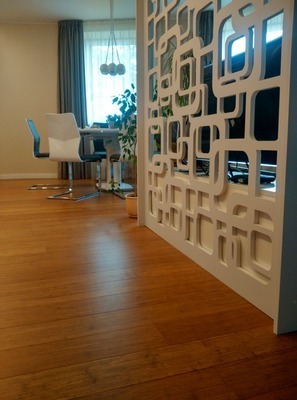
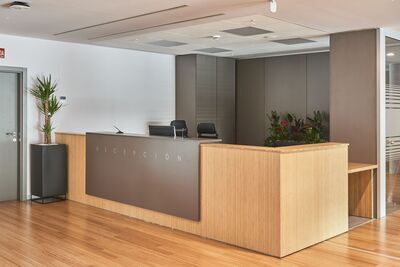
Click lock bamboo flooring offers a wide range of colors, finishes, and textures. This versatility allows homeowners to choose a style that aligns with their design preferences, whether they are renovating a traditional space or updating a contemporary interior.
Popular choices include:
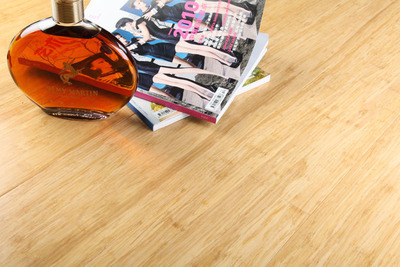
- Natural bamboo tones for a fresh, clean look
- Carbonized shades for deeper, richer color
- Wire‑brushed finishes for added texture
- Hand‑scraped surfaces for rustic character
- Smooth matte or semi‑gloss coatings for a refined feel
The natural grain patterns in bamboo add visual interest without overwhelming the room. This makes it easy to pair with new paint, updated furniture, or modern cabinetry. For DIY renovators, selecting a flooring style that complements multiple design directions allows for more flexibility in future remodeling choices.
Minimal Subfloor Preparation Compared to Other Options
DIY installers often cite subfloor preparation as one of the most time‑consuming parts of a flooring project. Click lock bamboo flooring helps ease this burden because the floating installation method can work over a wide variety of subfloor materials as long as they are clean, flat, and dry.
Suitable subfloor surfaces include:
- Plywood
- Concrete
- Existing vinyl
- Existing tile (if level and secure)
The ability to float the floor over these surfaces gives homeowners more flexibility and reduces the amount of demolition needed. For older homes where removing original flooring may be difficult or risky, click lock bamboo provides a practical solution that simplifies the renovation process.
Reduced Installation Errors Through Precision‑Engineered Planks
One of the challenges inexperienced DIY installers face is keeping flooring planks aligned properly. The click lock mechanism helps solve this issue because each plank is designed to interlock with the next at a consistent angle and depth. This built‑in accuracy reduces the risk of:
- Gaps between planks
- Uneven seams
- Misaligned edges
- Structural weakness in the finished floor
Homeowners using click lock flooring often appreciate how well the planks guide themselves into place. This creates a smoother installation experience and a clean final appearance even for those without prior flooring experience.
A Floating Floor That Allows Future Flexibility
Floating floors are not permanently bonded to the subfloor. Instead, they rest on underlayment and rely on the locking profile to maintain their structure. This offers several advantages for homeowners:
- Damaged planks in the future can be removed more easily
- The floor can be updated without extensive demolition
- It is possible to replace sections rather than the entire floor
For DIY renovators, this flexibility is invaluable. If a plank is accidentally damaged during installation—or years later from heavy furniture or unexpected accidents—it can often be removed and replaced with minimal effort. This ease of repair contributes to the long‑term value of click lock bamboo flooring.
Comfort and Acoustic Benefits From Underlayment
Because click lock bamboo flooring is installed over an underlayment, the floor often feels more comfortable underfoot than some glue‑down or nail‑down options. The underlayment can provide:
- Slight cushioning
- Reduced noise between floors
- Improved warmth underfoot
- Moisture protection when using vapor‑barrier options
DIY homeowners particularly appreciate the added comfort in rooms like bedrooms, living rooms, hallways, and home offices. When combined with the density of bamboo, the overall feel of the floor is solid and supportive.
A Cost‑Effective Way to Refresh a Home
One of the biggest motivators for DIY renovation projects is the desire to reduce costs. Click lock bamboo flooring offers considerable value, both in terms of product cost and installation savings.
Homeowners can save money by:
- Installing the floor themselves
- Avoiding specialized tools and adhesives
- Reducing demolition expenses
- Choosing a durable material that won’t need replacing soon
Bamboo flooring often costs less than many hardwood species while offering comparable—or in some cases superior—strength and visual appeal. The combination of affordability and performance is a major driver behind its strong presence in DIY markets.
Stability That Works Well in Different Climates
Bamboo flooring tends to offer better stability than many traditional hardwoods, especially in environments that experience seasonal changes. While all natural materials expand and contract to some degree, strand woven bamboo’s dense construction helps reduce movement.
This stability is especially helpful for DIY installations because it minimizes risks such as:
- Excessive gapping
- Unwanted cupping
- Seasonal lifting or edge movement
When installed properly with expansion gaps around the perimeter, click lock bamboo flooring offers a reliable performance throughout the year. This gives homeowners confidence during and after installation.
A Cleaner, Healthier Flooring Choice for Indoor Living
Many homeowners are increasingly aware of indoor air quality and look for flooring materials that support healthier living environments. High‑quality click lock bamboo flooring often features low‑VOC finishes and adhesives. Because no glue is required during installation, the process remains cleaner and free from fumes.
This makes click lock bamboo an attractive choice for projects in:
- Family homes
- Apartments
- Bedrooms
- Spaces with children or pets
- Homes with individuals sensitive to strong odors
DIY installers appreciate that they can work comfortably without dealing with harsh chemicals, making the project more enjoyable and safer.
Ideal for Whole‑Home Renovations or Single‑Room Updates
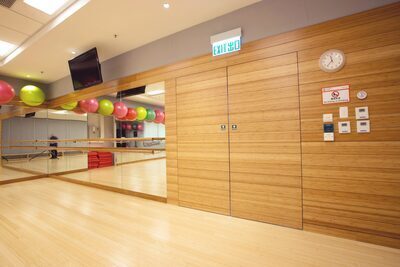
Another reason click lock bamboo flooring is so popular among DIY renovators is its suitability for both small and large projects. A homeowner can start with a bedroom and gradually work their way through the house over time, or complete a full-home installation during a larger remodel.
Its consistency of color, uniform milling, and ease of installation allow rooms to blend seamlessly even if they are completed on separate weekends. This flexibility supports homeowners who like to spread out projects while maintaining a unified appearance throughout their home.
A Material That Delivers a Satisfying DIY Experience
DIY home renovation projects are not just about saving money—they’re also about the sense of accomplishment that comes with building something beautiful. Click lock bamboo flooring provides tangible rewards:
- A smooth installation experience
- A polished final result
- A durable surface that will be enjoyed for years
- A noticeable improvement in the look and feel of the home
The combination of practicality and satisfaction is one of the reasons homeowners frequently recommend this flooring option to friends and family undertaking similar projects.
A Strong Match for DIY‑Minded Homeowners
Click lock bamboo flooring blends simplicity, durability, style, and value in a way that aligns well with DIY renovation goals. Homeowners appreciate its easy installation, dependable performance, and ability to refresh interiors without requiring professional intervention. Its natural beauty and structural strength make it a reliable choice for projects ranging from single‑room updates to full home renovations.