
Why Bamboo Plywood Is a Favorite in Green Building Certifications

As architects, builders, and product specifiers refine their approach to sustainable design, the materials chosen for interiors and structural elements are receiving sharper scrutiny than ever before. Among the many bio‑based products rising in popularity, bamboo plywood stands out as a material that consistently earns high marks in green building and environmental performance programs. Its growing presence in certified projects is no accident; bamboo combines fast renewability with versatility and aesthetic appeal, giving project teams a dependable option for meeting both design and sustainability goals.
Bamboo plywood is more than a niche product. It has secured a place across residential, commercial, educational, and hospitality construction because it matches the durability expectations of conventional hardwood plywood while offering a more environmentally responsible profile. This combination proves especially valuable for teams pursuing third‑party certifications such as LEED, WELL, Green Globes, Living Building Challenge, and regional sustainability programs.
Understanding why bamboo plywood has become such a trusted choice starts with looking at what it is, how it’s produced, and how it performs throughout its lifecycle.
Rapid Renewability and Resource Efficiency
One of the most compelling reasons bamboo plywood earns credit under green certifications is the speed at which bamboo replenishes itself. While traditional hardwood species can take decades to mature, many bamboo species can be harvested in four to seven years. Since the plant regenerates from its rhizome without replanting, it allows for continuous production without soil disruption.
For programs that reward the use of rapidly renewable materials or reduced environmental impact across the supply chain, this growth cycle positions bamboo plywood as an advantageous alternative to slow‑growth timber. Certifications often evaluate resource efficiency, land use, and harvest practices, and bamboo-based products regularly align well with these criteria.
Additionally, harvesting bamboo has a minimal footprint compared to clearing forests for timber. Because the root system remains intact after each harvest, the plant continues to stabilize soil, store carbon, and protect biodiversity. Programs focused on ecosystem impact and long-term stewardship consider this an important benefit.
Carbon Sequestration and Embodied Carbon Advantages
Carbon accounting is playing a larger role in building design as governments and rating systems work to reduce both operational and embodied emissions. Bamboo is already a fast-growing grass, but it also absorbs carbon at a surprisingly high rate during its growth period. When manufactured into plywood and used within a building, that carbon remains stored for the life of the structure.
Compared to many conventional engineered wood products, bamboo plywood has relatively low embodied carbon, especially when manufacturers prioritize clean energy in production and short transportation routes. Certifications that award credits for lifecycle assessment or material transparency often highlight bamboo products for these reasons.
Manufacturers that publish Environmental Product Declarations (EPDs) allow project teams to document these carbon benefits with even greater accuracy. Many builders are now considering materials not only for their performance but also for how they contribute to overall carbon budgets; bamboo plywood often becomes an easy recommendation in early specification dialogues.
Durability and Performance Comparable to Hardwoods
The environmental advantages of bamboo would be less meaningful if the material failed to deliver on durability, but the opposite is true. High-quality bamboo plywood is engineered through a process that laminates bamboo strips or fibers under pressure, producing panels dense enough to match or even exceed the performance characteristics of many hardwoods.
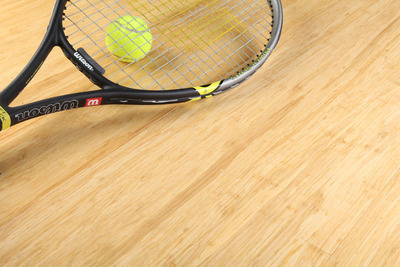
Depending on the manufacturing technique—horizontal, vertical, strand‑woven, or specialty constructions—bamboo plywood can be tuned for strength, density, and stability. Strand‑woven bamboo, in particular, is known for its exceptional hardness and resistance to wear, making it suitable for flooring, countertops, built‑ins, and high‑traffic interior elements.
Building certifications often consider durability because longer-lasting materials reduce replacement cycles and waste. A material that performs well over decades contributes positively to lifecycle assessments and maintenance evaluations, reinforcing bamboo plywood’s role as a sustainable option that also stands up to daily use.
Indoor Air Quality and Low‑Emission Options
Indoor air quality remains a major priority for project teams since indoor environments can significantly influence occupant health. Many plywood products manufactured with urea‑formaldehyde adhesives are increasingly avoided due to emission concerns, and certifications frequently include credits related to VOC levels, composite wood emissions, and indoor environmental performance.
Bamboo plywood available with no-added formaldehyde (NAF) or ultra-low‑emitting adhesives aligns well with certifications such as LEED’s Low-Emitting Materials credit, WELL’s Air features, and various regional standards. Third‑party emissions tests—FSC chain of custody, CARB Phase 2, EPA TSCA Title VI, and independent lab certifications—often accompany high-quality bamboo plywood, making documentation straightforward for project teams.
By reducing off-gassing concerns and helping projects meet stringent indoor air quality targets, bamboo plywood becomes an attractive material for classrooms, healthcare environments, residential spaces, and offices where air quality is a primary concern.
Versatility in Design and Application
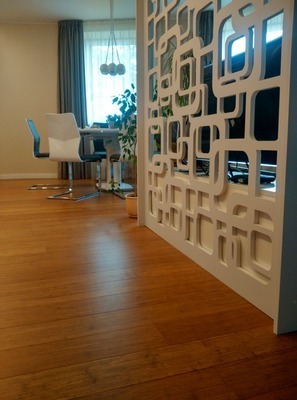
Beyond its environmental credentials, bamboo plywood resonates with designers because it supports a wide range of interior expressions. The natural grain of bamboo offers a clean, contemporary appearance, and the variety of panel constructions allows for different visual textures—from fine, uniform lines to the dense, intricate patterns of strand-woven surfaces.
Its machinability, consistency, and dimensional stability allow it to be shaped and finished much like hardwood plywood. It can be:
• fabricated into cabinetry
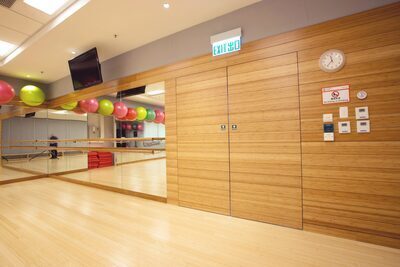
• used for millwork and wall paneling
• applied in furniture
• used as stair treads
• installed as flooring
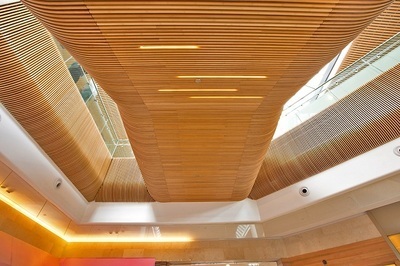
• machined into architectural details and specialty elements
This range enhances its value for green building projects because it can be specified across multiple scopes without requiring multiple material categories. In certifications that reward material optimization or reduction of product varieties, using bamboo plywood strategically can help streamline both procurement and documentation.
Chain-of-Custody and Responsible Harvesting
Transparency is a recurring theme across certification frameworks. Bamboo plantations can vary widely in their management, so specifiers often seek products with recognized chain-of-custody documentation. Responsible harvesting, biodiversity protection, fair labor practices, and safe chemical management are increasingly central to material selection.
Many suppliers of bamboo plywood now maintain voluntary certifications or compliance documentation that aligns with these priorities. For builders pursuing certifications with strong social and environmental governance criteria, this documented supply chain integrity can make bamboo plywood a straightforward component of a compliant material strategy.
Certifications such as FSC are sometimes applied to bamboo, though not universally. What often matters most to green building programs is the presence of verifiable data supporting responsible sourcing. Manufacturers with clear reporting practices, origin traceability, and third‑party audits strengthen the case for bamboo plywood within certified buildings.
Compatibility With Material Transparency Initiatives
Material health and transparency have moved beyond niche interest into mainstream demand. Architects want clearer disclosure around ingredient contents, chemical hazards, and manufacturing processes. Bamboo plywood fits well into this landscape because many manufacturers participate in industry programs designed to communicate material data.
Depending on the supplier, bamboo plywood products may come with one or more of the following:
• Environmental Product Declarations (EPDs)
• Health Product Declarations (HPDs)
• Declare labels
• Low‑emitting certifications
• Material ingredient listings
These tools simplify the documentation required by many certification frameworks and give design teams confidence that they understand the environmental and health implications of the materials they rely on.
Acoustic and Thermal Benefits
Although bamboo plywood is not typically selected solely for acoustic or thermal attributes, its density and structure can provide meaningful support in these areas. It can help stabilize interior temperatures by adding thermal mass to interior surfaces, and when used in wall assemblies or acoustic panels, it contributes to sound-dampening performance.
Some green building programs include credits related to occupant comfort, including acoustics and thermal performance. Bamboo plywood may not serve as the primary driver for these credits, but its role as part of a layered assembly can help designers create environments with lower reverberation, greater comfort, and reduced reliance on synthetic treatments or additional products.
Lifecycle and End‑of‑Life Considerations
A material’s sustainability profile extends beyond its manufacture and installation. Bamboo plywood typically ranks favorably in end‑of‑life assessments because:
• It is bio‑based and does not rely on petrochemical feedstocks
• It can be repurposed or reused in various applications
• It can be recycled into composite materials
• It can be industrially composted when free of certain finishes or adhesives
Certifications that account for circularity, cradle‑to‑cradle pathways, or reduced reliance on virgin materials see value in bamboo’s ability to re-enter product cycles. Reusing offcuts or reclaiming panels from renovations is becoming more common, especially in commercial interiors where modular design is increasingly popular.
A Reliable Fit in Certified Projects
What makes bamboo plywood consistently favored in certified projects is not just a single feature. It’s the combination of fast renewability, strong performance characteristics, and ease of documentation. Project teams face a growing list of material requirements, from carbon accounting to chemical disclosure, and bamboo plywood conveniently supports many of those targets.
Its versatility allows it to appear in multiple scopes of work without complicating material tracking. Its environmental attributes offer predictable credit contributions. Its visual appeal satisfies designers who want a natural surface with both warmth and modern character.
As more project teams embrace lifecycle thinking and material transparency, bamboo plywood will likely continue its rise as a dependable choice for creating interiors that meet performance expectations while supporting environmental goals.
Bamboo plywood is more than a niche product. It has secured a place across residential, commercial, educational, and hospitality construction because it matches the durability expectations of conventional hardwood plywood while offering a more environmentally responsible profile. This combination proves especially valuable for teams pursuing third‑party certifications such as LEED, WELL, Green Globes, Living Building Challenge, and regional sustainability programs.
Understanding why bamboo plywood has become such a trusted choice starts with looking at what it is, how it’s produced, and how it performs throughout its lifecycle.
Rapid Renewability and Resource Efficiency
One of the most compelling reasons bamboo plywood earns credit under green certifications is the speed at which bamboo replenishes itself. While traditional hardwood species can take decades to mature, many bamboo species can be harvested in four to seven years. Since the plant regenerates from its rhizome without replanting, it allows for continuous production without soil disruption.
For programs that reward the use of rapidly renewable materials or reduced environmental impact across the supply chain, this growth cycle positions bamboo plywood as an advantageous alternative to slow‑growth timber. Certifications often evaluate resource efficiency, land use, and harvest practices, and bamboo-based products regularly align well with these criteria.
Additionally, harvesting bamboo has a minimal footprint compared to clearing forests for timber. Because the root system remains intact after each harvest, the plant continues to stabilize soil, store carbon, and protect biodiversity. Programs focused on ecosystem impact and long-term stewardship consider this an important benefit.
Carbon Sequestration and Embodied Carbon Advantages
Carbon accounting is playing a larger role in building design as governments and rating systems work to reduce both operational and embodied emissions. Bamboo is already a fast-growing grass, but it also absorbs carbon at a surprisingly high rate during its growth period. When manufactured into plywood and used within a building, that carbon remains stored for the life of the structure.
Compared to many conventional engineered wood products, bamboo plywood has relatively low embodied carbon, especially when manufacturers prioritize clean energy in production and short transportation routes. Certifications that award credits for lifecycle assessment or material transparency often highlight bamboo products for these reasons.
Manufacturers that publish Environmental Product Declarations (EPDs) allow project teams to document these carbon benefits with even greater accuracy. Many builders are now considering materials not only for their performance but also for how they contribute to overall carbon budgets; bamboo plywood often becomes an easy recommendation in early specification dialogues.
Durability and Performance Comparable to Hardwoods
The environmental advantages of bamboo would be less meaningful if the material failed to deliver on durability, but the opposite is true. High-quality bamboo plywood is engineered through a process that laminates bamboo strips or fibers under pressure, producing panels dense enough to match or even exceed the performance characteristics of many hardwoods.
Depending on the manufacturing technique—horizontal, vertical, strand‑woven, or specialty constructions—bamboo plywood can be tuned for strength, density, and stability. Strand‑woven bamboo, in particular, is known for its exceptional hardness and resistance to wear, making it suitable for flooring, countertops, built‑ins, and high‑traffic interior elements.
Building certifications often consider durability because longer-lasting materials reduce replacement cycles and waste. A material that performs well over decades contributes positively to lifecycle assessments and maintenance evaluations, reinforcing bamboo plywood’s role as a sustainable option that also stands up to daily use.
Indoor Air Quality and Low‑Emission Options
Indoor air quality remains a major priority for project teams since indoor environments can significantly influence occupant health. Many plywood products manufactured with urea‑formaldehyde adhesives are increasingly avoided due to emission concerns, and certifications frequently include credits related to VOC levels, composite wood emissions, and indoor environmental performance.
Bamboo plywood available with no-added formaldehyde (NAF) or ultra-low‑emitting adhesives aligns well with certifications such as LEED’s Low-Emitting Materials credit, WELL’s Air features, and various regional standards. Third‑party emissions tests—FSC chain of custody, CARB Phase 2, EPA TSCA Title VI, and independent lab certifications—often accompany high-quality bamboo plywood, making documentation straightforward for project teams.
By reducing off-gassing concerns and helping projects meet stringent indoor air quality targets, bamboo plywood becomes an attractive material for classrooms, healthcare environments, residential spaces, and offices where air quality is a primary concern.
Versatility in Design and Application
Beyond its environmental credentials, bamboo plywood resonates with designers because it supports a wide range of interior expressions. The natural grain of bamboo offers a clean, contemporary appearance, and the variety of panel constructions allows for different visual textures—from fine, uniform lines to the dense, intricate patterns of strand-woven surfaces.
Its machinability, consistency, and dimensional stability allow it to be shaped and finished much like hardwood plywood. It can be:
• fabricated into cabinetry
• used for millwork and wall paneling
• applied in furniture
• used as stair treads
• installed as flooring
• machined into architectural details and specialty elements
This range enhances its value for green building projects because it can be specified across multiple scopes without requiring multiple material categories. In certifications that reward material optimization or reduction of product varieties, using bamboo plywood strategically can help streamline both procurement and documentation.
Chain-of-Custody and Responsible Harvesting
Transparency is a recurring theme across certification frameworks. Bamboo plantations can vary widely in their management, so specifiers often seek products with recognized chain-of-custody documentation. Responsible harvesting, biodiversity protection, fair labor practices, and safe chemical management are increasingly central to material selection.
Many suppliers of bamboo plywood now maintain voluntary certifications or compliance documentation that aligns with these priorities. For builders pursuing certifications with strong social and environmental governance criteria, this documented supply chain integrity can make bamboo plywood a straightforward component of a compliant material strategy.
Certifications such as FSC are sometimes applied to bamboo, though not universally. What often matters most to green building programs is the presence of verifiable data supporting responsible sourcing. Manufacturers with clear reporting practices, origin traceability, and third‑party audits strengthen the case for bamboo plywood within certified buildings.
Compatibility With Material Transparency Initiatives
Material health and transparency have moved beyond niche interest into mainstream demand. Architects want clearer disclosure around ingredient contents, chemical hazards, and manufacturing processes. Bamboo plywood fits well into this landscape because many manufacturers participate in industry programs designed to communicate material data.
Depending on the supplier, bamboo plywood products may come with one or more of the following:
• Environmental Product Declarations (EPDs)
• Health Product Declarations (HPDs)
• Declare labels
• Low‑emitting certifications
• Material ingredient listings
These tools simplify the documentation required by many certification frameworks and give design teams confidence that they understand the environmental and health implications of the materials they rely on.
Acoustic and Thermal Benefits
Although bamboo plywood is not typically selected solely for acoustic or thermal attributes, its density and structure can provide meaningful support in these areas. It can help stabilize interior temperatures by adding thermal mass to interior surfaces, and when used in wall assemblies or acoustic panels, it contributes to sound-dampening performance.
Some green building programs include credits related to occupant comfort, including acoustics and thermal performance. Bamboo plywood may not serve as the primary driver for these credits, but its role as part of a layered assembly can help designers create environments with lower reverberation, greater comfort, and reduced reliance on synthetic treatments or additional products.
Lifecycle and End‑of‑Life Considerations
A material’s sustainability profile extends beyond its manufacture and installation. Bamboo plywood typically ranks favorably in end‑of‑life assessments because:
• It is bio‑based and does not rely on petrochemical feedstocks
• It can be repurposed or reused in various applications
• It can be recycled into composite materials
• It can be industrially composted when free of certain finishes or adhesives
Certifications that account for circularity, cradle‑to‑cradle pathways, or reduced reliance on virgin materials see value in bamboo’s ability to re-enter product cycles. Reusing offcuts or reclaiming panels from renovations is becoming more common, especially in commercial interiors where modular design is increasingly popular.
A Reliable Fit in Certified Projects
What makes bamboo plywood consistently favored in certified projects is not just a single feature. It’s the combination of fast renewability, strong performance characteristics, and ease of documentation. Project teams face a growing list of material requirements, from carbon accounting to chemical disclosure, and bamboo plywood conveniently supports many of those targets.
Its versatility allows it to appear in multiple scopes of work without complicating material tracking. Its environmental attributes offer predictable credit contributions. Its visual appeal satisfies designers who want a natural surface with both warmth and modern character.
As more project teams embrace lifecycle thinking and material transparency, bamboo plywood will likely continue its rise as a dependable choice for creating interiors that meet performance expectations while supporting environmental goals.