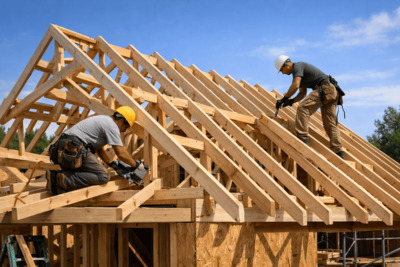
Roof Framing: Complete Guide to Types, Design, and Construction

Roof Framing is one of the most important parts of any building structure because it forms the backbone that supports the entire roof system. A properly designed framing system ensures strength, stability, and long-term durability for residential and commercial buildings. Without strong framing, even the best roofing materials cannot perform effectively.
In modern construction, roof framing plays a key role in safety and energy efficiency. It helps distribute weight evenly, supports insulation layers, and provides resistance against wind, rain, and other environmental pressures. Understanding how roof framing works is essential for homeowners, builders, and contractors.
Importance of Roof Framing in Building Structure
Roof framing is the structural skeleton that holds the roof in place. It ensures that the roof remains stable under different weather conditions and load pressures.
Key importance of roof framing includes:
- Provides structural strength to the entire roof system
- Distributes weight evenly across walls and supports
- Prevents roof collapse during heavy wind or snow
- Improves overall building durability
A weak framing system can lead to serious structural issues over time. That is why proper design and installation are critical in every construction project.
Types of Roof Framing Used in Construction
There are several types of framing systems used depending on building design, budget, and architectural requirements. Each type offers different levels of strength and flexibility.
Common roof framing types include:
- Rafter framing: Traditional method using angled beams
- Truss framing: Pre-built triangular structures for strong support
- Hip roof framing: Sloped design for better stability
- Flat roof framing: Common in modern commercial buildings
Each framing type has its own advantages. For example, truss framing is cost-effective and fast to install, while rafter framing allows more customization.
Materials Used in Roof Framing
Choosing the right material is essential for long-lasting roof framing. Materials determine the strength, durability, and maintenance needs of the structure.
Popular materials include:
- Timber wood: Traditional and widely used
- Steel: Strong and resistant to heavy loads
- Engineered wood: Cost-effective and stable option
- Aluminum components: Lightweight and corrosion-resistant
Important material considerations:
- Climate conditions of the area
- Building height and design complexity
- Load-bearing requirements
- Budget and long-term maintenance
Selecting the right material ensures better performance and structural safety.
Step-by-Step Roof Framing Process
The roof framing process requires careful planning and precision to ensure a stable structure. Each step plays a crucial role in the final strength of the roof.
Basic steps include:
- Measuring and planning roof dimensions
- Installing wall plates and support beams
- Setting up rafters or trusses
- Aligning and securing structural joints
- Adding bracing for extra stability
Additional construction details:
- Checking load distribution before final fixing
- Ensuring proper spacing between framing members
- Verifying alignment for roof symmetry
- Strengthening corners and joint connections
A properly executed framing process ensures long-term durability and safety.
Common Problems in Roof Framing and Their Solutions
Even small mistakes in framing can lead to major structural issues later. Understanding common problems helps prevent costly repairs.
Frequent issues include:
- Improper alignment of beams
- Weak joint connections
- Incorrect load distribution
- Use of low-quality materials
Solutions include:
- Hiring experienced contractors
- Using high-grade materials
- Following proper engineering guidelines
- Regular inspection during construction
Preventing errors during installation saves both time and long-term repair costs.
Cost Factors in Roof Framing Projects
The cost of roof framing depends on several construction and design elements. Proper budgeting is important before starting any project.
Main cost factors include:
- Type of framing system used
- Material selection (wood, steel, or hybrid)
- Labor charges and contractor expertise
- Size and complexity of the structure
Additional expenses may include:
- Design and engineering fees
- Equipment and installation tools
- Safety measures and permits
- Unexpected structural adjustments
Planning ahead helps avoid financial stress during construction.
Benefits of Professional Roof Framing Services
Hiring professional services ensures accuracy, safety, and long-term durability. Experts follow engineering standards to deliver strong and reliable structures.
Key benefits include:
- Accurate structural design and installation
- Improved safety and load handling
- Faster construction timelines
- Long-term performance reliability
Professionals also help in selecting the right materials and framing system based on your building needs.
Roof Framing and Long-Term Building Safety
Roof framing directly affects the overall safety and lifespan of a building. A strong framework ensures resistance against storms, heavy loads, and environmental damage.
Long-term advantages include:
- Reduced risk of roof collapse
- Better insulation and energy efficiency
- Increased property value
- Lower maintenance costs over time
Proper framing ensures your home remains safe and stable for decades.
Final Thoughts on Roof Framing
Choosing the right system for Roof Framing is essential for building a safe, durable, and long-lasting structure. Whether you are constructing a new home or upgrading an existing roof, proper framing ensures strength and stability in every condition.
For more expert construction tips, guides, and professional insights, visit Roofers Blog Spot, where homeowners and builders can find trusted roofing and framing information.